News
Retroid Adds Pocket Duo Lite+ With a Faster Chip and 8GB RAM
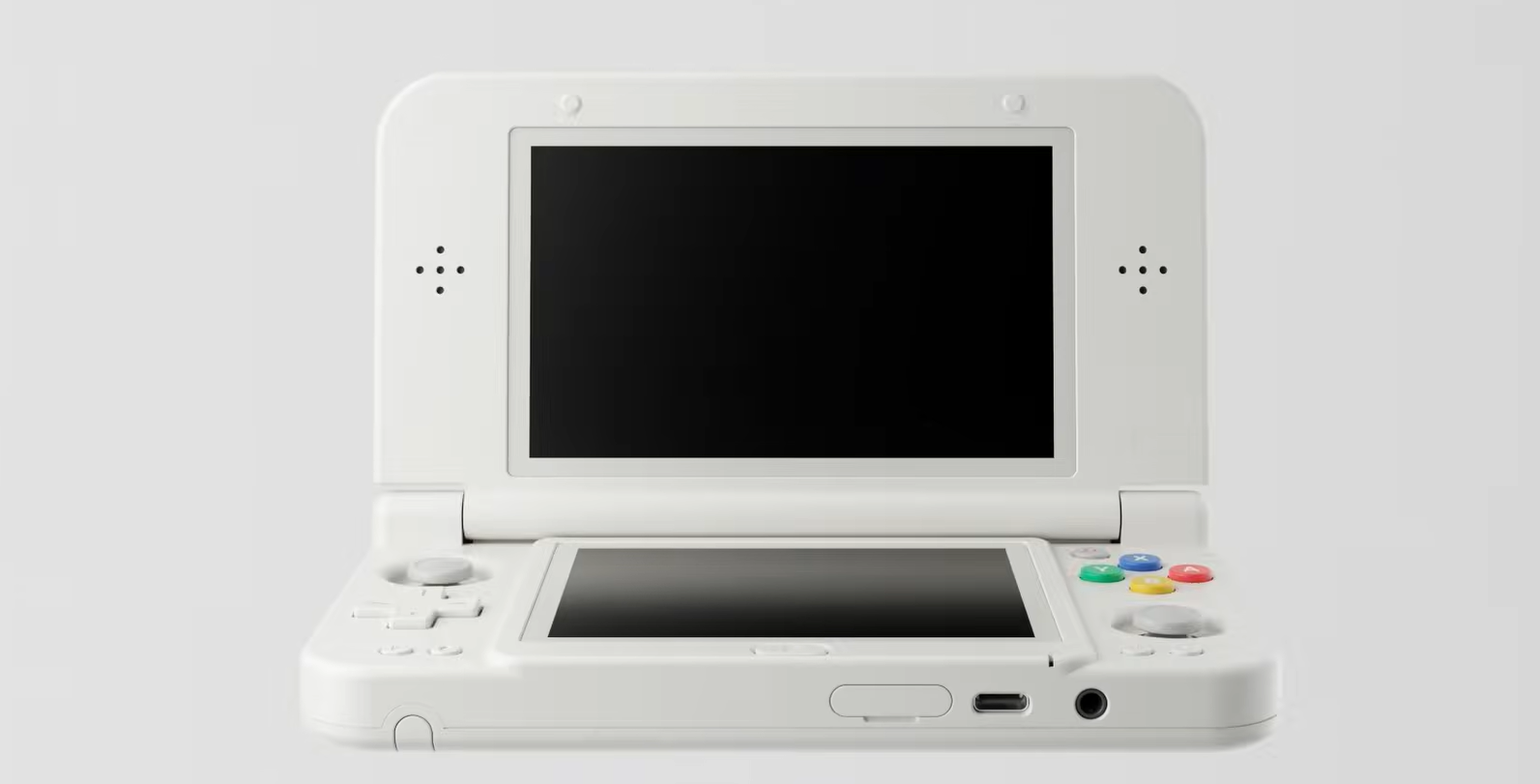
The new Pocket Duo Lite+ combines Retroid’s slimmer dual-screen design with the Q-7790 chip, 8GB of RAM and a $199 promotional pre-order price.
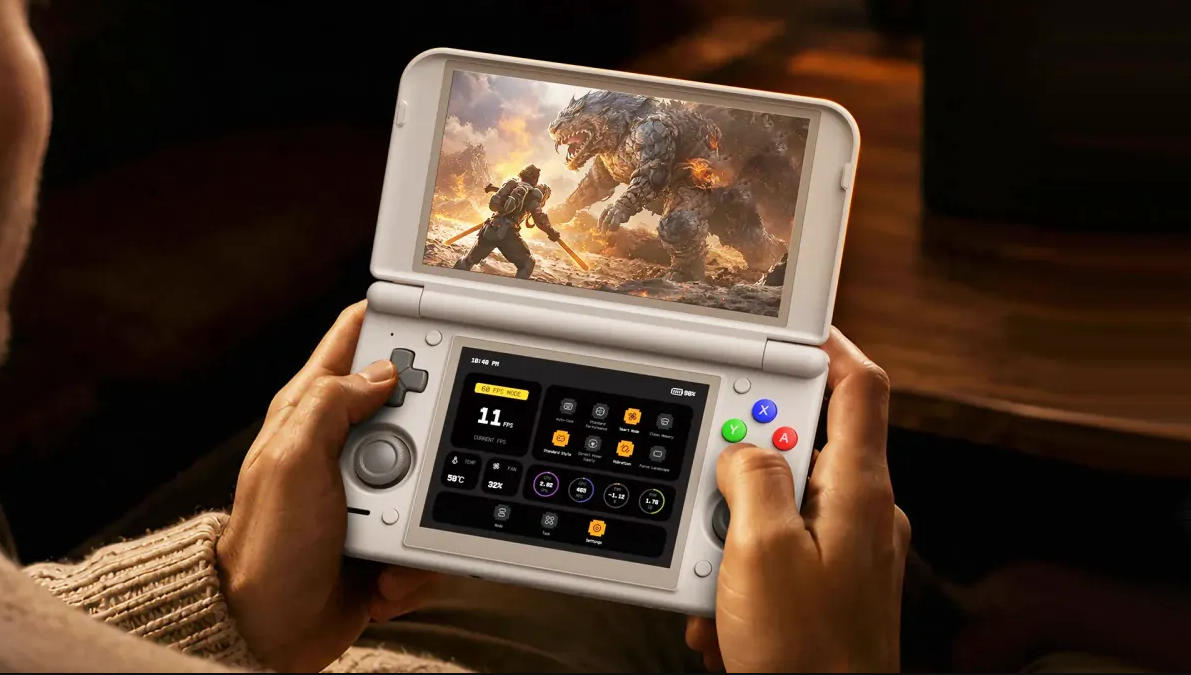
Retroid has expanded its new dual-screen handheld family with the Pocket Duo Lite+, a late addition that combines the slimmer Lite chassis and LCD displays with the more powerful processor used in the standard Pocket Duo. The new model carries 8GB of RAM and 128GB of storage, with a $219 list price and a temporary $199 pre-order price.
The announcement arrives only days after pre-orders opened for the original Pocket Duo and Duo Lite configurations. Retroid says the Lite+ was created in response to community feedback, effectively filling the gap between the cheaper Lite models and the $269 Pocket Duo.
Duo performance in the Lite design
The key change is the processor. Retroid’s announcement lists the Dragonwing Q-7790 for the Duo Lite+, paired with 8GB of RAM and 128GB of internal storage. That puts its core platform much closer to the full Pocket Duo than the existing Lite, which Retroid’s official product page lists with a Qualcomm Dragonwing QCS6125 and either 4GB/64GB or 6GB/128GB memory configurations.
Retroid is keeping the slimmer Duo Lite form factor rather than adopting the standard Duo’s larger design and flared shoulder controls. The trade-off is in the displays: the Lite family uses a 5.5-inch 1080p 60Hz TFT primary panel and a 4.2-inch 960p 60Hz TFT secondary panel. By comparison, the standard Duo uses higher-refresh OLED screens.
- Processor
- Dragonwing Q-7790
- Memory
- 8GB RAM
- Storage
- 128GB
- Design
- Pocket Duo Lite chassis
- Pre-order price
- $199 with LITEPLUS code
- List price
- $219
- Shipping
- Expected to start mid-November 2026
A $199 pre-order option
Retroid is pricing the Pocket Duo Lite+ at $219, but buyers can use the LITEPLUS coupon to reduce the price by $20 to $199 during the promotional period. The offer is stated to run through October 31, 2026, with shipments scheduled to begin in mid-November.
That positions the new model between the existing Lite and Duo. Retroid’s official store currently starts the Pocket Duo Lite at $149, while the Pocket Duo is listed at $269. The Lite+ therefore asks buyers to choose between the Lite chassis and LCD screens at a lower price, or paying more for the Duo’s OLED display setup.
The timing has frustrated some early buyers
The specification itself is straightforward, but the timing has become part of the story. The original Duo Lite had already gone on sale before the Lite+ was revealed, and Retroid’s own delivery dashboard shows that shipments of 4GB/64GB and 6GB/128GB Lite orders began in mid-September.
Community threads following the announcement include customers asking whether existing orders can be changed, while others say the Lite+ is closer to the configuration they wanted from the start. Those reactions are anecdotal rather than a measure of overall customer sentiment, but they explain why a product pitched as a response to feedback has also generated criticism.
Retro Dodo similarly argues that Retroid’s habit of adding configurations after initial announcements can make early purchasing decisions harder. The underlying facts are less subjective: the Lite+ was announced after the first Lite pre-orders and shipments, and it introduces a substantially faster processor option without requiring buyers to move to the full Duo design.
Another choice in an increasingly crowded Duo lineup
For buyers who have not ordered yet, the lineup now has a clearer middle tier. The Duo Lite+ preserves the smaller-screen Lite concept while removing the biggest performance distinction between it and the standard Duo. What remains to be established is how the Q-7790 performs in this chassis under sustained workloads; no TechCravers testing has been carried out for this story.
Retroid says Lite+ shipping will start in mid-November. Until independent hardware testing is available, its performance advantage should be understood from the announced chipset and memory specification rather than treated as a measured benchmark result.
Where to find it
Sources
About the author
TechCravers
Writes about consumer technology and gaming for TechCravers.