NewsHardware
Anbernic RG DS Plus vs Retroid Pocket Duo Lite: Which Is Better?
Two dual-screen handhelds, two different priorities. Our hands-on comparison finds the best choice for Nintendo DS fans.
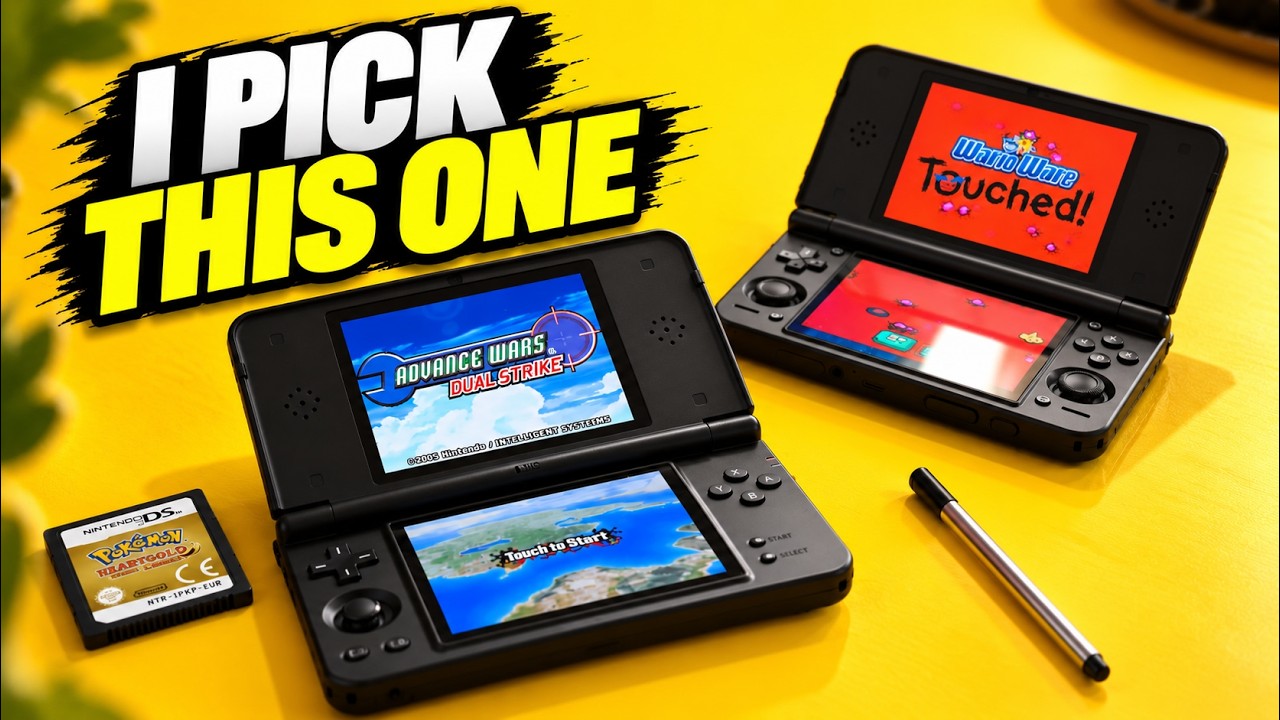
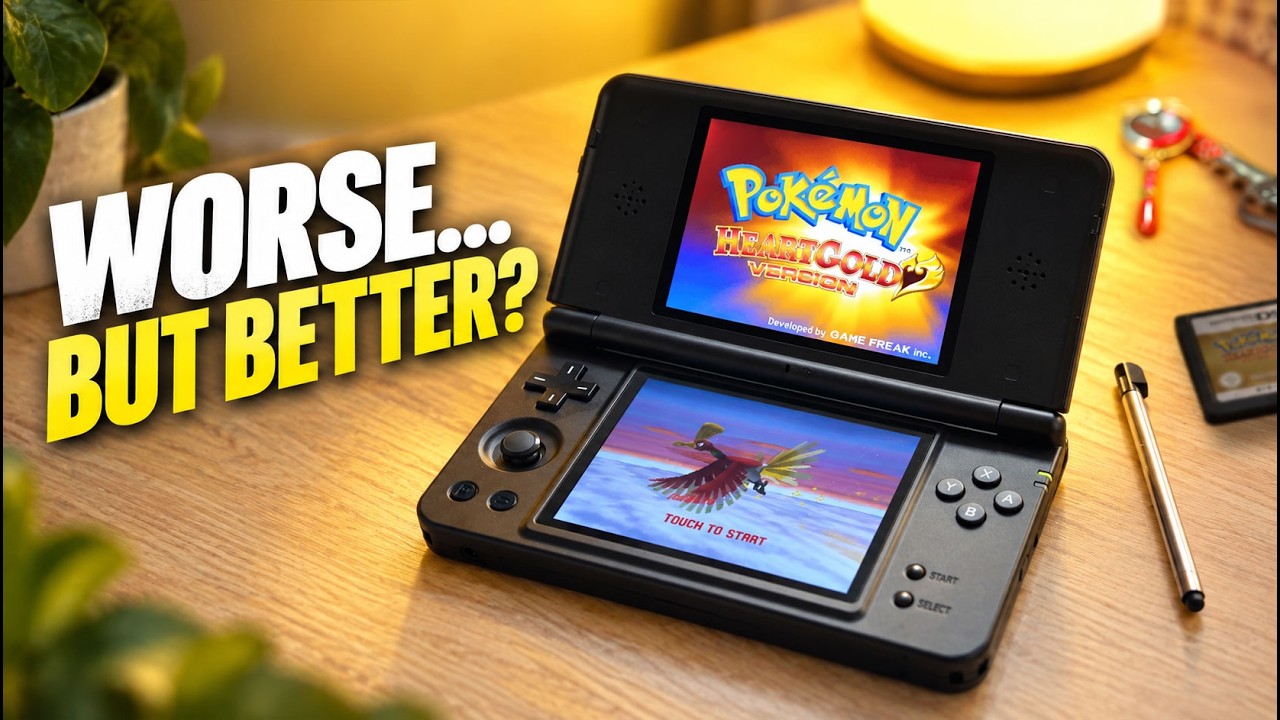
Two affordable clamshell handhelds promise a return to Nintendo DS-style gaming, but they take strikingly different routes. The Anbernic RG DS Plus concentrates on the basics: matching screens, a built-in stylus and a simple Linux interface. The Retroid Pocket Duo Lite offers Android 15, more controls and a much larger upper display. After spending time with both, the TechCravers video comparison makes a convincing case that the cheaper machine is the better DS-focused purchase.
Design and controls: simplicity has its advantages
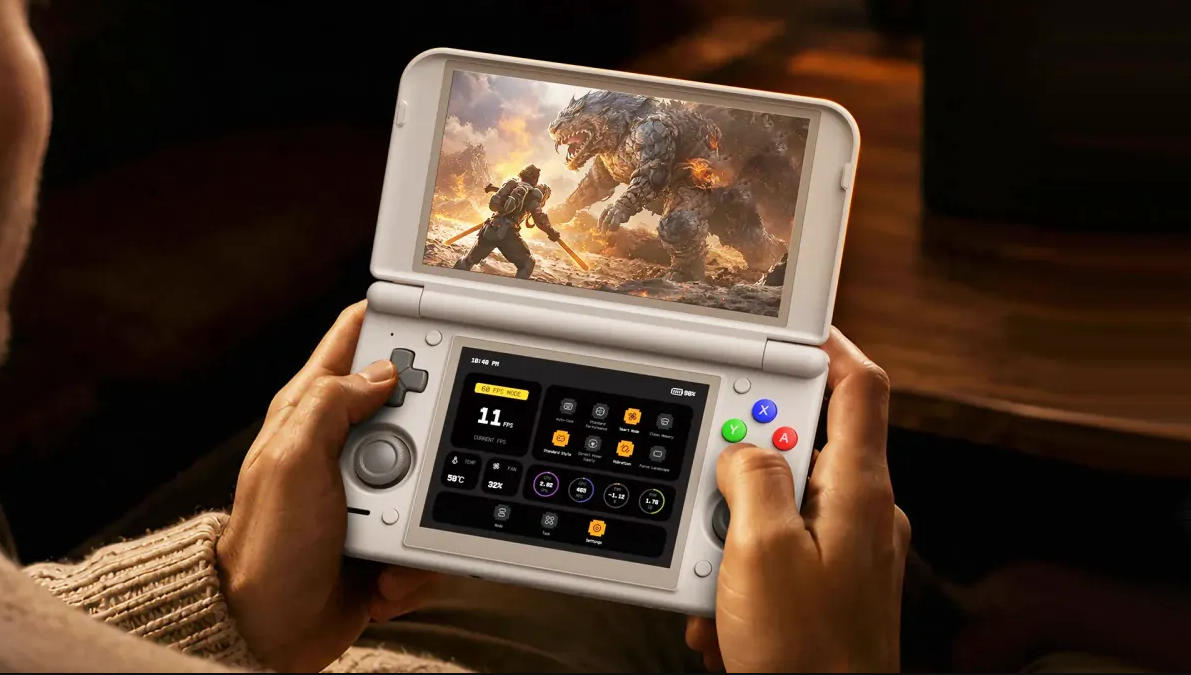
Both devices feel solid, with reassuring hinges and little unwanted flex in TechCravers' hands-on use. The RG DS Plus is chunky but balanced, with two similarly sized halves and a stylus that stores inside the shell. The Duo Lite looks more ambitious, with an oversized upper half and two analogue sticks rather than the Anbernic's single stick.
Those extra controls make the Retroid more adaptable to games that require dual-stick input. For the DS titles in this comparison, however, the D-pad did most of the work. The sticks sit below the main buttons on both machines, so reaching them is not especially natural. The absence of an included stylus on the Duo Lite is a more meaningful drawback for touchscreen-heavy DS games.
The screens tell the story
Anbernic uses two matching 4.3-inch, 4:3 displays. Retroid combines a 5.5-inch widescreen upper display with a smaller 4:3 lower screen. The Duo Lite's large screen is an obvious advantage for widescreen games, PSP emulation and streaming. But the RG DS Plus feels more coherent when a game expects two similarly proportioned DS screens.
The different screen sizes on the Retroid can make dual-screen compositions feel uneven. TechCravers also encountered accidental finger contact with the larger display while playing certain sideways-oriented DS games. The more spectacular screen configuration is not automatically the more practical one.
Linux versus Android 15
The RG DS Plus boots into a straightforward Linux gaming experience. The Duo Lite runs Android 15 and offers a useful lower-screen control centre for brightness, performance settings, frame-rate information, temperatures and fan controls. Android also brings a wider software ecosystem and more accessible emulator settings.
That flexibility comes with trade-offs. TechCravers heard a distinctly high-pitched fan whine from the Duo Lite, even in quiet mode on the unit used for the comparison. The Anbernic avoids that distraction. Meanwhile, adjusting emulation settings on the RG DS Plus was less straightforward; the video notes difficulty finding an internal-resolution setting in Anbernic's included DS emulator.
Nintendo DS performance and touch input
In hands-on play with Zelda: Phantom Hourglass, Mario Kart DS and Rhythm Heaven, both handhelds delivered an excellent DS experience at the settings used. The video describes smooth results around 2x native resolution, while attempts to push the Duo Lite to 4x produced gameplay and audio stutter. That is a practical reminder not to equate a stronger specification sheet with unlimited emulation headroom.
The Duo Lite does score an important win for touch response. Its touchscreen felt slightly more immediate in TechCravers' comparison, especially when directing Link in Phantom Hourglass. Anyone who values that responsiveness may consider it worth paying extra, although the lack of a supplied stylus undermines the advantage.
Price and verdict
At the time of the video, the RG DS Plus was described as starting at $95 and the Pocket Duo Lite at $149. Those are prices quoted in the October 2026 TechCravers comparison, not independently reconfirmed live store prices; regional taxes, shipping and promotions may change the final cost.
For someone primarily interested in Nintendo DS, the RG DS Plus is the smarter buy. Its paired screens, built-in stylus, quiet operation and lower entry price align closely with the games it is intended to play. The Duo Lite is the more versatile handheld, and its widescreen panel, Android interface, extra stick and faster-feeling touch input will matter to some buyers. But versatility alone does not make it the better value for a DS-first setup.
The choice becomes simple once you decide what you will play most: choose the RG DS Plus for a focused DS experience, or consider the Duo Lite when Android features and broader widescreen gaming matter more than price and fan noise.