FeatureTutorials
AI Is Accelerating the Native Game Port Boom — But It Is Not Replacing Emulation
From static recompilation to AI-assisted development, classic console games are finding new homes on modern hardware. Here is what is changing, and what still matters.
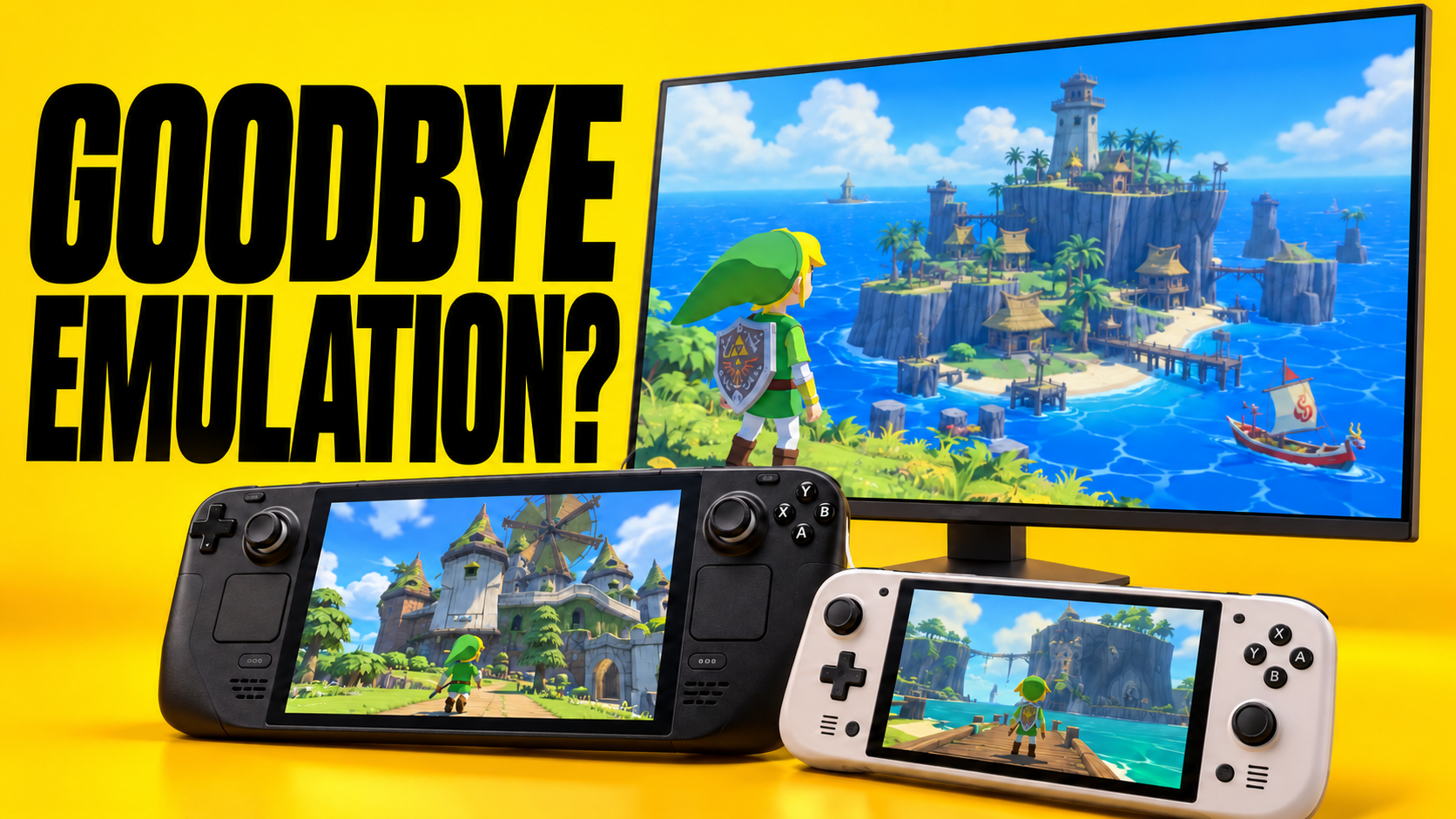
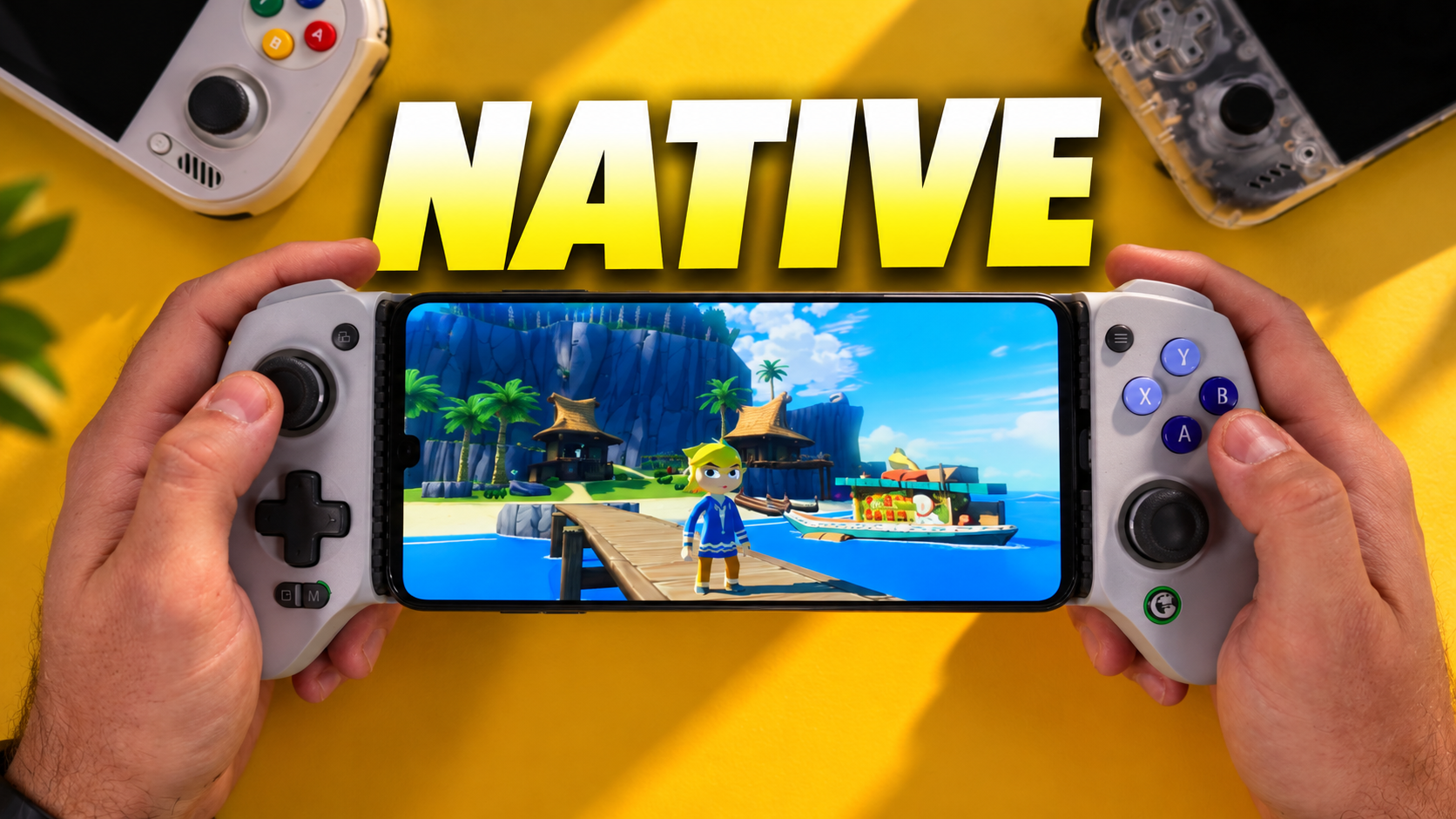
Native ports of classic console games are suddenly everywhere. Games once tied to a particular machine are turning up as applications for Windows, Linux, macOS and, in some cases, Android. Some gain widescreen options, modern controls and smoother presentation along the way. I have been following this scene for years, but lately the pace feels noticeably different. Artificial intelligence is part of the story, although it is not the whole explanation.
What a recomp actually does
Static recompilation takes instructions written for a console processor and translates them ahead of time into code that can be compiled for a different platform. That is only one piece of the puzzle: developers still need to make graphics, audio, input and other game systems work on the target device. The finished result can run as a native application rather than through a conventional console emulator.
Crucially, this is not a one-click process that transforms any ROM into a flawless PC release. Every game presents its own technical challenges, and a working build can still be a long way from a polished port.
The groundwork was laid years ago
Ship of Harkinian, the well-known Ocarina of Time project, illustrates the appeal of playing a classic on modern hardware. It is a source port built from decompilation work, not an example of the same static-recompilation technique. That distinction matters technically, even if the result looks similar to players: a familiar game with new platform support and modern conveniences.
Projects like this depend on extensive reverse engineering, documentation and community effort. The current wave did not appear out of nowhere. It builds on work that has been happening for years.
Where AI enters the picture
What has changed is how quickly some projects can be developed. One striking example is LAS Recomp, a native port of the Switch version of Link’s Awakening targeting Windows, macOS and Linux. Its developer says that almost the entire project was created with Claude Code, under human direction. That is the developer’s account of this particular project, not evidence that every new port is AI-generated.
AI-assisted coding can speed up parts of development, but it does not erase the need for testing, technical understanding and human decisions. Nor does it replace the research accumulated by the reverse-engineering community. To me, the interesting development is the combination of these tools with that existing knowledge.
RecompLauncher makes the boom visible
RecompLauncher presents projects in a browsable catalog that feels surprisingly close to a PC game storefront. Instead of tracking scattered announcements, you can discover several ports in one place and follow links to their individual GitHub projects. The site says it does not host game files; users must supply their own copies.
It is worth remembering that these are independent efforts at different stages. A listing is not a guarantee of compatibility, completeness or a trouble-free experience. Still, seeing them together makes the scale of the movement much easier to appreciate.
Native ports versus emulation
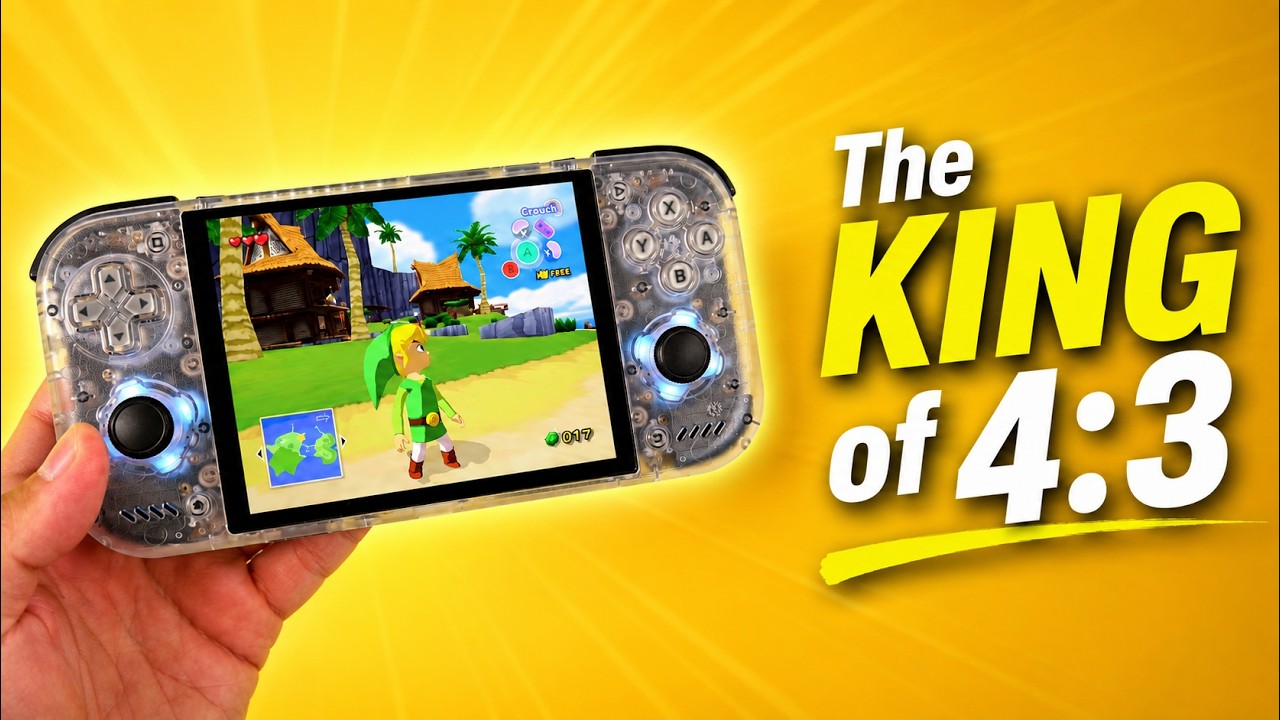
Why use a native port when emulators already work so well? A dedicated port may make it easier to add game-specific improvements such as new camera controls, display options, mods and input settings. Those changes can be particularly appealing on a Steam Deck or another handheld, where small usability improvements make a big difference.
But native does not automatically mean faster, more accurate or more stable. Modern emulators can be remarkably efficient, and many use just-in-time recompilation themselves. A mature emulator might outperform an early native port that still suffers from broken graphics or gameplay bugs. I would judge each project by the actual experience rather than the label.
Are these projects legal?
There is no simple universal answer. In the United States, Section 117 of the Copyright Act allows certain copies or adaptations by the owner of a copy of a computer program when they are an essential step in using it with a machine. Krause v. Titleserv also addressed modifications that enabled software to work with a different system, but it concerned business software and did not establish a general rule for console-game recompilation.
Sony v. Connectix is an important precedent involving reverse engineering for emulator development, but it does not authorize every method of acquiring or using game files. Circumventing technological protection measures can introduce separate questions under the DMCA. Owning a game is relevant, but ownership alone does not settle every legal issue. Equally, legal uncertainty is not proof that every privately built recomp is unlawful. This discussion concerns US law and is not legal advice.
A promising way to keep games playable
What excites me most is preservation through practical usability. I like the idea of a favorite console game becoming comfortable to play on a laptop, desktop or handheld long after its original hardware has aged. Some of these projects will remain experiments; others may become dependable ways to revisit games for years to come.
I do not expect native ports to replace emulation. The two approaches can coexist, and both have an important role in keeping older games accessible. The real question is which of today’s ambitious projects will mature into genuinely great ways to play.