NewsGaming
Ocarina of Time Remake Is Already Running on PC — But There Is a Serious Problem
Switch 2 emulation has reportedly brought the Zelda remake to PC before launch. The technical progress is extraordinary, but the apparent leak raises troubling questions.
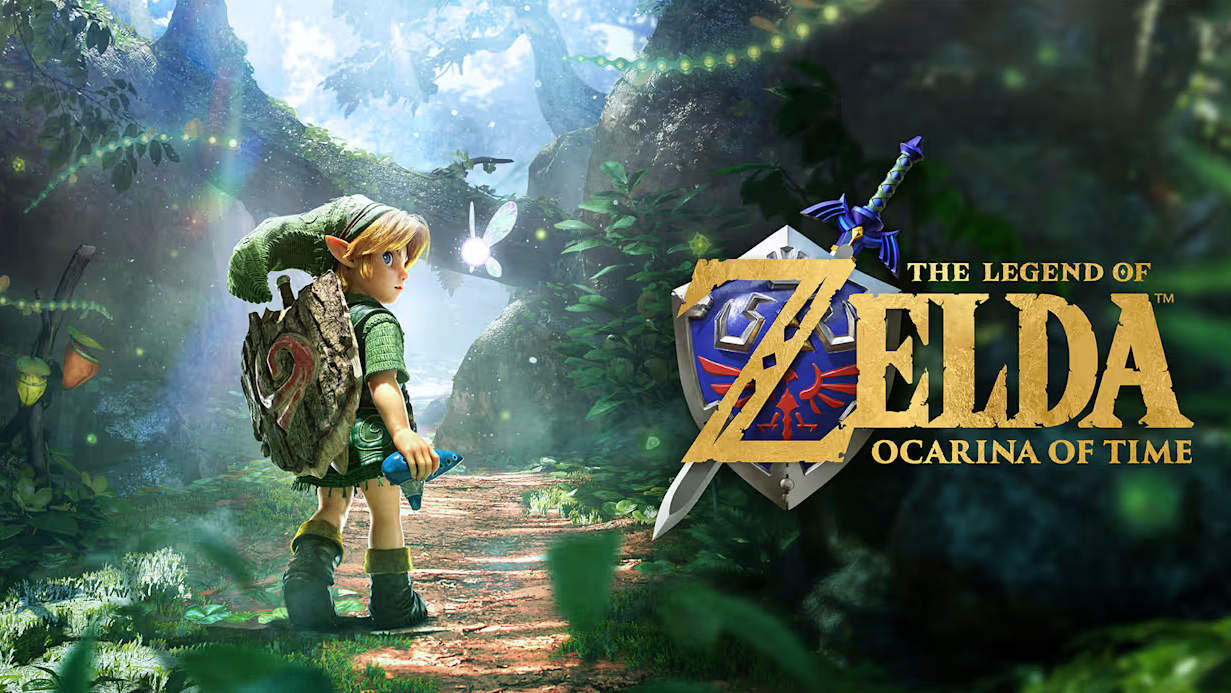
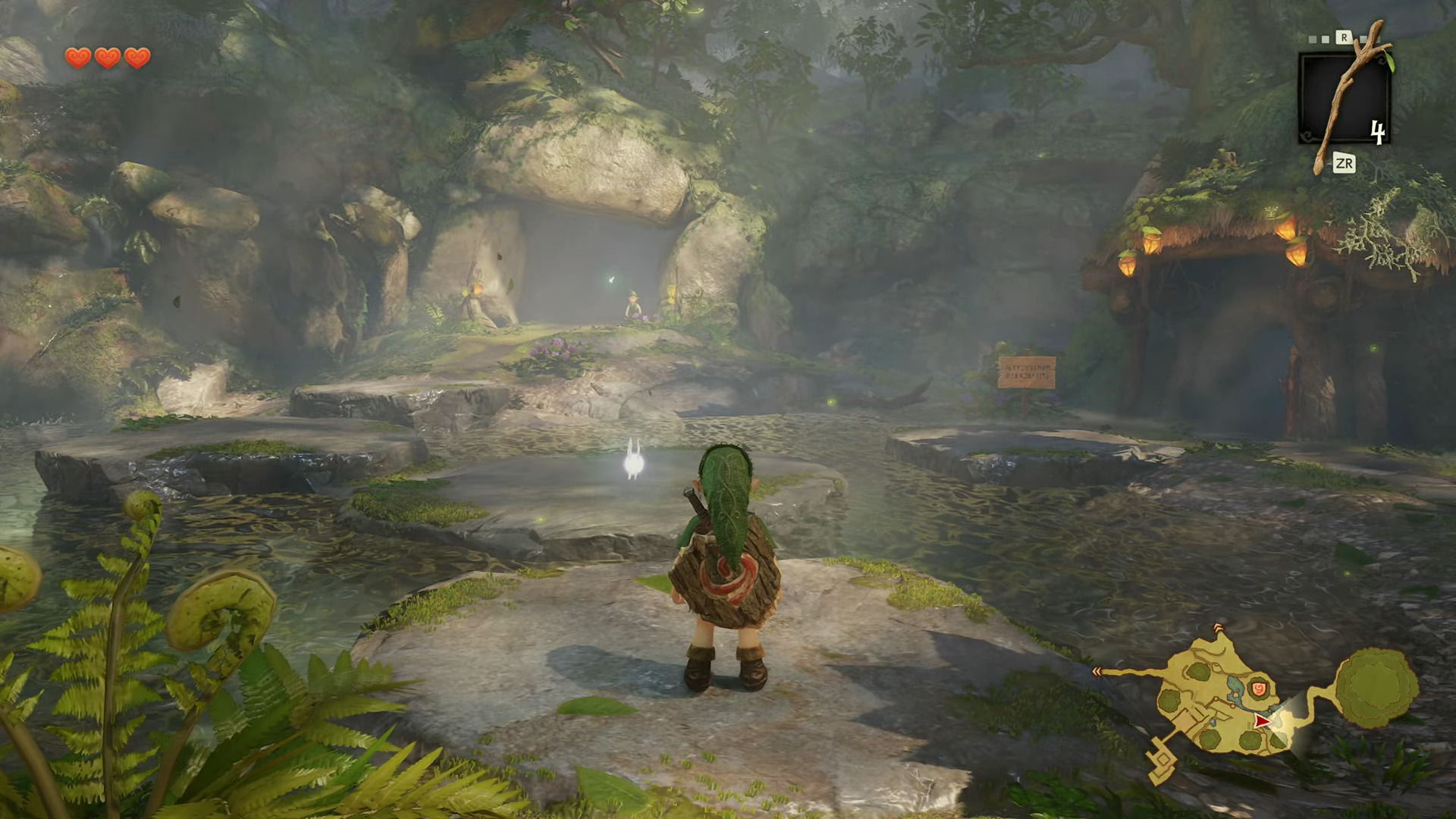
It sounds almost impossible: Nintendo's highly anticipated remake of The Legend of Zelda: Ocarina of Time has reportedly been booted on a PC through Switch 2 emulation before its official launch. Footage circulating online shows the game running in the experimental Lichii emulator. For anyone following the speed of console emulation, this is an astonishing milestone. But the timing also exposes a deeply uncomfortable side of the scene: a brand-new game appears to have reached unauthorized hands before most paying customers could play it.
An impressive achievement, with serious limitations
As reported by Twisted Voxel, the footage shows the remake running on a powerful desktop with an AMD Ryzen 7 9800X3D, an Nvidia GeForce RTX 4080 and 64GB of RAM. The opening sequence reportedly reaches 60 frames per second, but gameplay can fall into the 20s. Heavy bloom and washed-out visuals make it clear that this is not a polished alternative to playing on Nintendo's hardware.
The emulator behind the demonstration, Lichii, is an experimental open-source project building on earlier Switch emulation work. Its ability to get a demanding new title past the boot screen is remarkable, even if compatibility and visual accuracy remain works in progress. Reports of a working demonstration should not be confused with evidence that the entire game is reliably playable.
There is also some direct community evidence of the rough edges. A public issue on Lichii's GitHub repository documents users struggling to launch the game, encountering black screens or severely broken shaders. That makes the distinction between 'running' and 'ready to play' especially important.
The uncomfortable question: how did the game get there?
What makes this story different from a typical emulation breakthrough is the release window. Reporting suggests that early physical copies and extracted game data helped the remake circulate ahead of launch. The exact path taken by every copy in circulation has not been independently established, so it would be misleading to present one definitive explanation for the leak.
Still, the underlying concern is difficult to ignore. Emulation software and pirated game files are not interchangeable concepts. Emulators can have legitimate uses in research, compatibility work and preservation, and their legal status depends on the circumstances and jurisdiction. Distributing an unauthorized copy of a newly released commercial game, however, raises a separate and much more direct copyright problem. Circumventing technological protections can introduce additional legal issues.
Nintendo has repeatedly argued that unauthorized game distribution and circumvention undermine the work of developers and publishers. Its position is unsurprising, but the principle deserves attention even from people who strongly support emulation: a team may spend years rebuilding a beloved game, only to see unauthorized copies circulating before launch day.
Preservation and piracy are not the same argument
I have a lot of respect for the ingenuity behind emulation. Preserving old games, keeping discontinued hardware accessible and understanding how consoles work are worthwhile goals. They are also very different from treating a brand-new release as a free download on day one. Conflating those activities makes it harder to have a serious conversation about the value of preservation.
There is a further irony here. Ocarina of Time is one of gaming's most celebrated classics, and interest in revisiting it decades later demonstrates exactly why preservation matters. But a modern remake being leaked around launch does not need preservation as an excuse. Its creators deserve a fair opportunity to release and sell the work they have made.
That does not mean every person developing or using an emulator is a pirate. Nor does an early PC video establish how widespread unauthorized downloads are, or prove measurable lost sales. Those claims would require evidence we do not currently have. The ethical issue is already significant without exaggerating it.
A milestone worth discussing, not celebrating without reservations
The pace of Switch 2 emulation is undeniably fascinating. Seeing a major first-party release appear on PC so early would have sounded far-fetched not long ago. Yet technical admiration should not erase the circumstances surrounding the footage. A demonstration built around leaked commercial game data raises questions that impressive frame-rate counters cannot answer.
For now, the sensible conclusion is twofold: Lichii's progress is technically noteworthy, and the reported pre-release circulation of the Ocarina of Time remake is deeply troubling. We can recognize the talent involved in emulator development while drawing a firm line between preserving games and distributing a new one without permission. That distinction matters more than ever as emulation advances.
Where to find it
Sources
About the author
TechCravers
Writes about consumer technology and gaming for TechCravers.