FeatureTutorials
I Tested PS4 and Xbox Games Running on Android — Here’s What Actually Works
Bloodborne, God of War III, Halo and more are running locally on Android. I tested five ambitious projects on the AYN Odin 2 Portal to see how playable they really are.
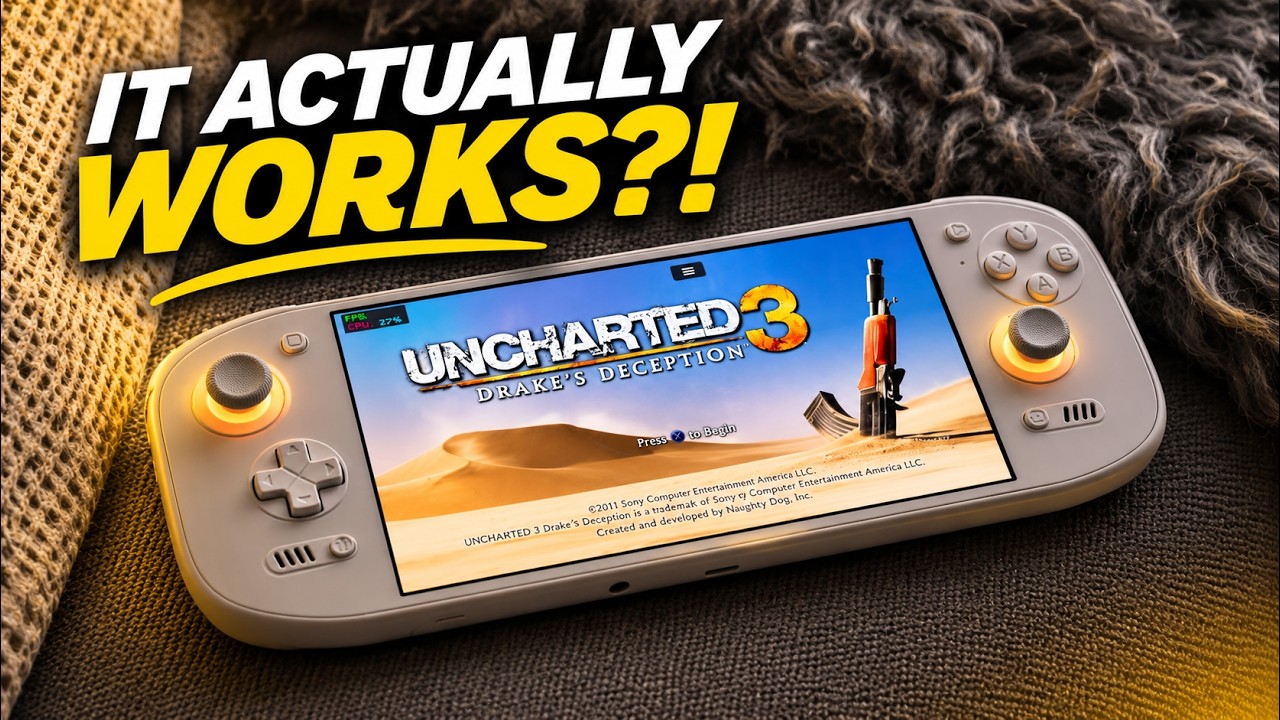
Playing Bloodborne, God of War III and Uncharted on an Android handheld without streaming sounds like a fantasy. Yet after spending several days testing experimental community ports on my AYN Odin 2 Portal, I have seen just how far these projects have come. The results range from remarkably polished to clearly unfinished—and that contrast is exactly what makes this moment so interesting.
Not streaming, and not conventional console emulation
These projects aim to adapt console games to Android rather than reproduce an entire PlayStation or Xbox in an emulator. Depending on the project, that can involve recompiling code for ARM64, replacing console-specific functions and preparing the original game data for a custom runtime. The technical approach is not identical across all five games, and calling every project a fully native port would oversimplify what is happening.
Setup was easier than I expected in several cases: install the relevant Android app, supply your own legally obtained game files and let the project prepare the required data. Exact file formats, drivers and installation steps differ by project. These are experimental builds, so a successful launch does not guarantee a complete, bug-free playthrough.
Bloodborne: surprisingly convincing on a handheld
Bloodborne was one of the biggest surprises. On the Odin 2 Portal, movement felt responsive and gameplay looked impressively smooth. I could genuinely imagine spending time with this as a handheld experience rather than just a technical demonstration. The project is also exploring features such as ARM64 recompilation, upscaling and higher frame rates, although support and results depend on the build and hardware.
That does not mean every visual issue has disappeared. Occasional glitches and performance dips remain possible, and I would not treat this test as proof that the entire game is flawless. Still, seeing a title so closely associated with PlayStation running locally on Android is remarkable.
God of War III: playable, but driver-sensitive
God of War III needed more tinkering. I tried multiple GPU drivers before finding one that behaved properly on my device. Once it was running, I generally saw around 22–25 frames per second. That is well short of a locked 30 FPS, but the combat felt more playable than the numbers might suggest.
I also experimented with lossless scaling and could not identify a meaningful improvement. I cannot say whether that was down to compatibility, configuration or the maturity of the project. For now, this is an impressive experiment rather than the version I would recommend to someone seeking a consistently smooth experience.
Jet Set Radio Future: the standout for polish
Of everything I tried, Jet Set Radio Future felt the closest to an official Android release. Controls were excellent, performance was fantastic and I encountered no noticeable bugs during my testing. That is not a guarantee of perfection across the whole game, but my experience was unusually trouble-free.
These community projects can also open the door to widescreen presentation, customizable controls, higher frame rates or mods, depending on the individual port. Those extras are not universal, but they show why adapting older games can offer more than simply recreating the original console experience.
Halo: Combat Evolved: great until the world disappears
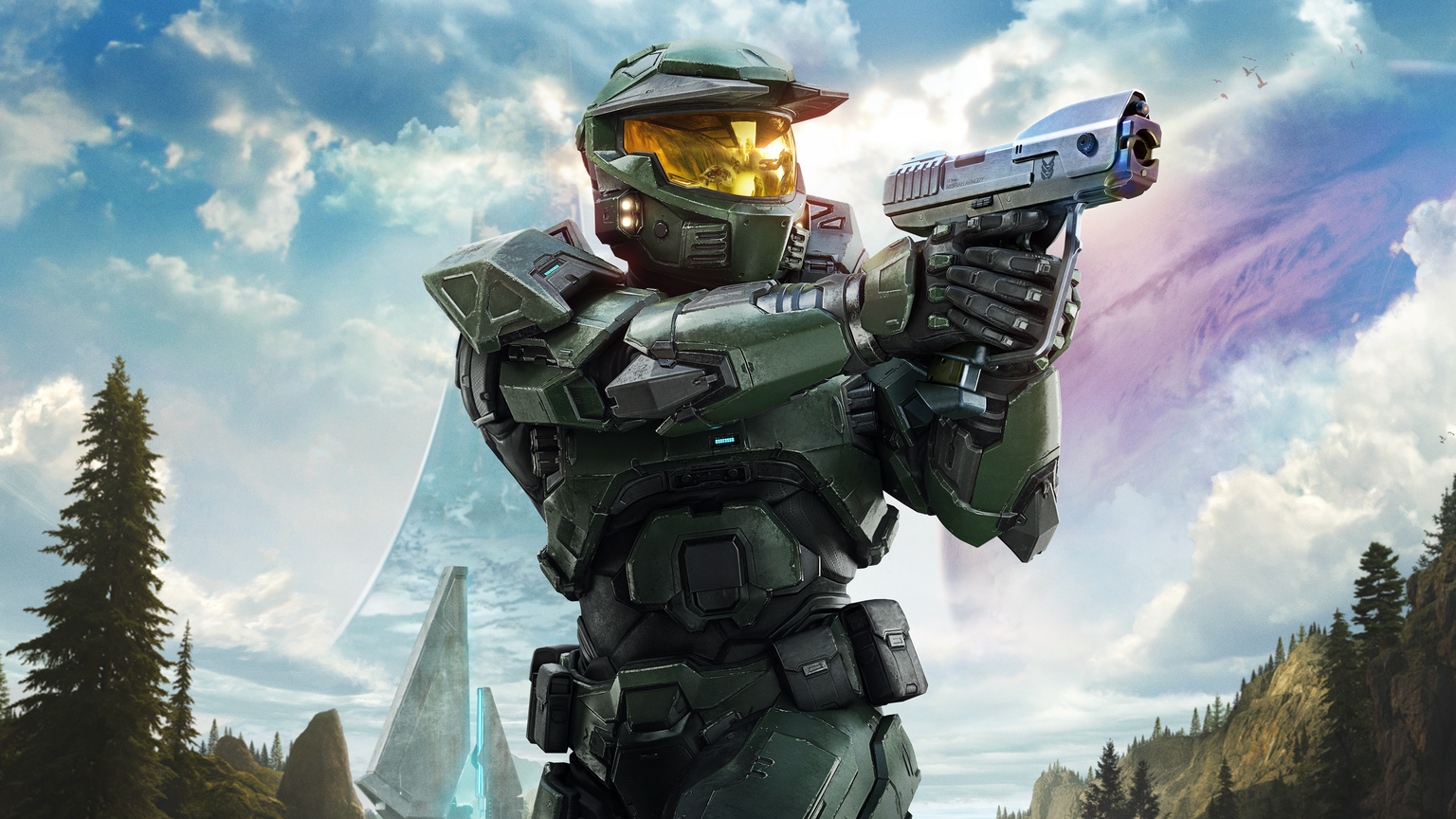
Halo initially made an equally strong impression. It ran smoothly, with responsive controls, but after playing for a while I encountered a serious rendering problem. Textures, objects and even large portions of the environment began disappearing, sometimes making navigation almost impossible.
A memory-management problem is one possible explanation, but I have not confirmed the cause. Restarting usually restored the visuals temporarily; reaching a checkpoint or another loading transition sometimes helped too. This is a major limitation, not a minor cosmetic issue, and it makes longer sessions unreliable in the version I tested.
Uncharted: The Nathan Drake Collection: ambitious and unfinished
For Uncharted, my hands-on time focused on Uncharted 2: Among Thieves within The Nathan Drake Collection. The cinematic environments and action still look impressive, and seeing the game running on the Odin 2 Portal was difficult to believe at first.
There were clear graphical defects, including effects and scenery that did not render as intended. I would not claim that all three games are fully playable from beginning to end based on this test. What I can say is that Uncharted 2 already demonstrates the potential, even while the rough edges are impossible to ignore.
What these experiments mean for Android gaming
The biggest takeaway is not that Android has suddenly replaced the original consoles. It has not. Compatibility varies widely, setup can demand experimentation, and early builds may break in ways that prevent progress. Nor should a short gameplay test be mistaken for a full compatibility certification.
What excites me is the pace of experimentation and the range of games now being attempted. Bloodborne impressed me with its responsiveness, Jet Set Radio Future with its polish, and Halo showed how a fantastic first impression can still be undermined by a serious bug. If developers keep improving stability and compatibility, local handheld play could become a genuinely compelling new home for some of these classics.
I have included my original gameplay video below so you can see the results for yourself, including the glitches and performance compromises rather than just the highlights.