TP-Link unveils Archer 8, its first Wi-Fi 8 router
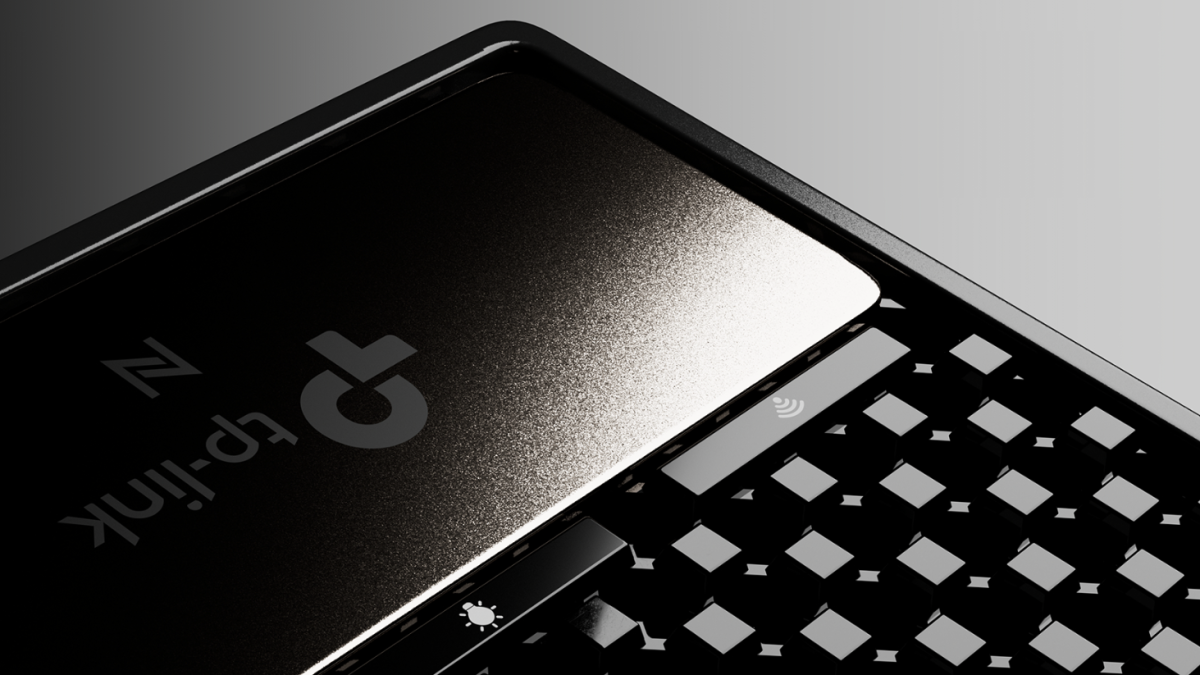
TP-Link has officially announced Archer 8, the company’s first router built around the upcoming Wi-Fi 8 standard (IEEE 802.11bn). Scheduled to launch in October 2026, the new router aims to deliver a more stable wireless experience, lower latency, and improved performance in homes packed with connected devices.
While previous generations of Wi-Fi have largely focused on increasing peak speeds, Wi-Fi 8 is being positioned as a technology designed to improve real-world performance. According to TP-Link, the goal is to create more reliable wireless connections in environments where multiple devices compete for bandwidth, interference is common, and users move between different access points throughout the home.
Archer 8 will serve as the first product in TP-Link’s upcoming Wi-Fi 8 portfolio. The company says the router has been designed to address common issues such as inconsistent coverage, unstable mesh roaming, and latency spikes during gaming, streaming, and video calls. To achieve this, the device combines an updated antenna architecture with RF optimizations and AI-powered network management.
TP-Link was among the first companies to publicly demonstrate a Wi-Fi 8 connection in late 2025, validating both beacon functionality and data transmission using prototype hardware. Archer 8 represents the next step in bringing that technology to consumers.
In internal testing, TP-Link claims early Wi-Fi 8 implementations delivered notable improvements over Wi-Fi 7 in simulated home environments. Reported gains include higher throughput at comparable distances, improved stability under varying signal conditions, better performance in multi-access-point deployments, and stronger coverage across multiple floors. The company also highlights improvements in receiver sensitivity on both the 5 GHz and 6 GHz bands.
Although Wi-Fi 8 is still in its early stages, Archer 8 offers a glimpse of where wireless networking is headed. Rather than chasing ever-higher theoretical speeds, the next generation of Wi-Fi appears focused on delivering a smoother and more consistent experience for gaming, streaming, smart home devices, and everyday connectivity.
Source: Press Release