The Legend of Zelda just Turned 40: A Legacy of Adventure, Innovation, and Timeless Design
Few franchises in gaming history carry the weight, legacy, and emotional resonance of The Legend of Zelda. This year, Nintendo’s legendary series celebrates its 40th anniversary — a milestone that not only marks the passage of time, but also highlights how deeply the franchise has shaped the DNA of modern gaming.
Originally released in Japan on February 21, 1986, the first Zelda title introduced players to a bold new kind of experience. Instead of rigid linear progression, it offered freedom. Instead of constant hand-holding, it encouraged curiosity. Players were dropped into a mysterious world with minimal direction and told, in essence, to figure it out. That design philosophy would go on to influence generations of developers and fundamentally change how adventure games were built.
A Blueprint for Exploration
What made the original Zelda revolutionary wasn’t just its combat or its puzzles — it was its structure. The open overworld, filled with secrets hidden behind burnable bushes and bombable walls, created a sense of wonder rarely seen at the time. Exploration wasn’t optional; it was the core mechanic. Discovery felt personal.
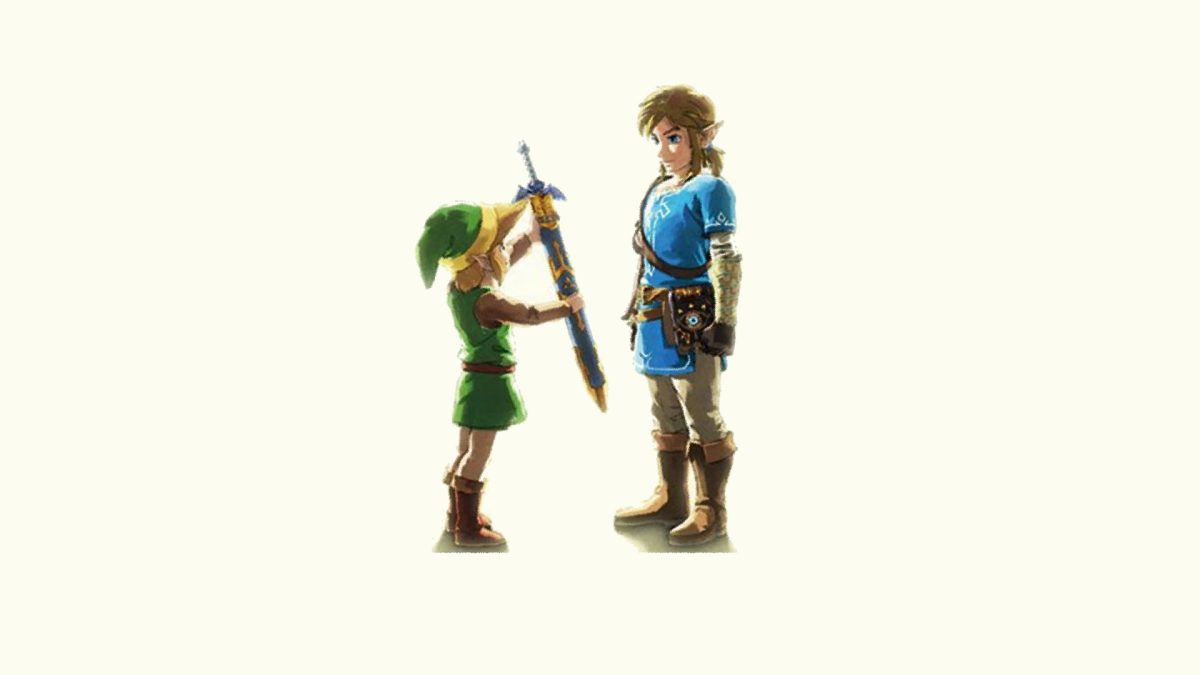
Over the years, that foundation evolved dramatically. A Link to the Past refined the formula. Ocarina of Time redefined 3D action-adventure design and introduced targeting systems that would become industry standard. The Wind Waker proved that bold art direction could stand the test of time. Twilight Princess embraced darker storytelling. And then, decades later, Breath of the Wild shattered conventions once again — reimagining what open-world design could look like in the modern era.
Each generational leap didn’t just iterate — it reinvented.
Innovation Without Losing Identity
What’s remarkable about Zelda at 40 is how it continues to innovate without abandoning its core identity. At its heart, the series remains about courage, discovery, and the balance between light and darkness. The names change. The timelines split. The art styles shift. But the essence endures.
Even Tears of the Kingdom, one of the franchise’s most ambitious entries, demonstrated that Nintendo isn’t afraid to experiment even after decades of success. The physics-driven sandbox systems and creative construction mechanics pushed player expression to new heights, proving that Zelda is still willing to take risks.
That willingness to evolve is arguably why the series remains relevant in an industry that moves faster than ever.
More Than Just Games
Over four decades, The Legend of Zelda has grown into more than a collection of titles. Its orchestral concerts sell out worldwide. Its soundtracks are instantly recognizable across generations. Its iconography — the Master Sword, the Triforce, Hyrule Castle — has become part of gaming’s cultural fabric.
Few franchises manage to resonate equally with players who grew up in the 80s and newcomers discovering Hyrule for the first time today. Yet Zelda bridges that generational gap effortlessly.
It’s also a franchise that respects its audience. Whether through environmental storytelling, layered lore, or subtle callbacks to previous entries, Nintendo treats long-time fans with care while still welcoming new players into the fold.
What Comes Next?
Anniversaries often bring speculation — remasters, collections, special editions, or entirely new entries. While Nintendo has remained characteristically reserved about large-scale anniversary announcements, the 40-year milestone feels significant. The company has historically marked major anniversaries with meaningful releases or celebrations, and fans are eager to see how this one unfolds.
Could we see enhanced re-releases of classic 3D entries? A new timeline twist? A next-generation leap built for upcoming hardware? Whatever the future holds, history suggests one thing: when Zelda reinvents itself, the entire industry pays attention.
A Legacy That Defines Gaming
Forty years is an eternity in technology terms. Consoles rise and fall. Trends come and go. Studios form and disappear. Yet The Legend of Zelda remains.
Its influence can be felt in open-world design, dungeon mechanics, environmental puzzles, combat systems, and narrative structure across countless modern titles. It helped define what an action-adventure game could be — and continues to raise the bar for what it should be.
As we celebrate four decades of Link’s adventures, one thing is clear: The Legend of Zelda isn’t just part of gaming history — it is gaming history.
And if the past 40 years are any indication, Hyrule’s story is far from over.