Razer Brings AI Anime Hologram to Your Desk — But It’s Mixed
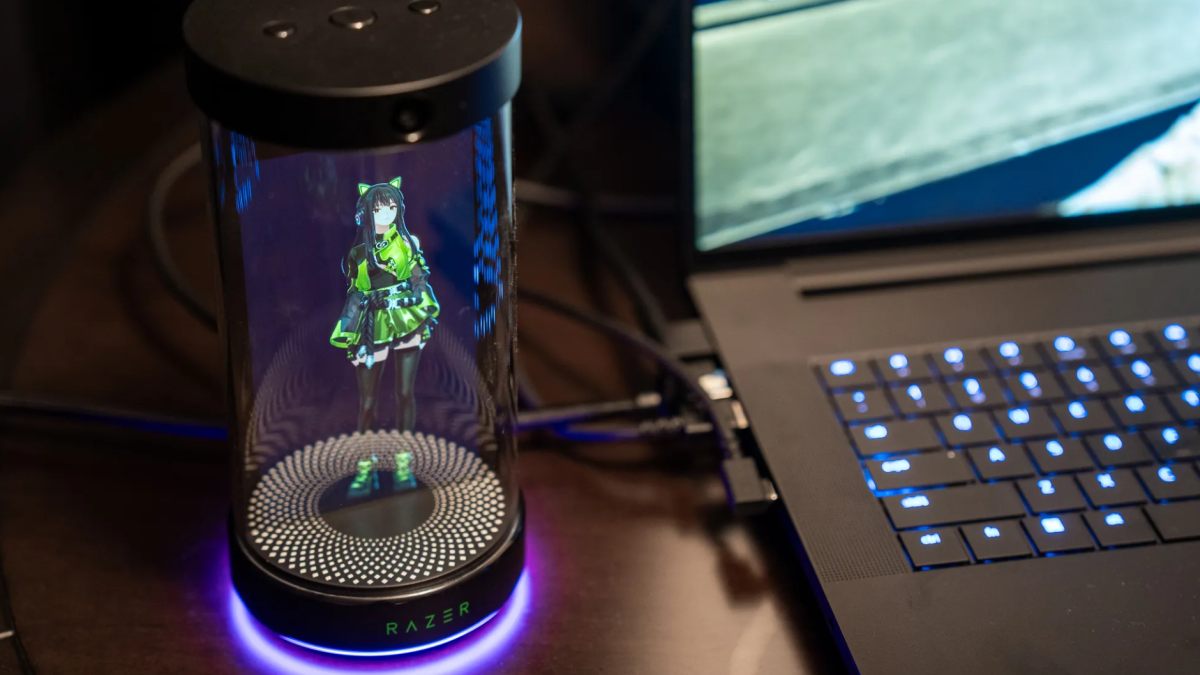
At CES 2026, gaming gear maker Razer turned heads with a wild twist on AI companions: a desk‑scale holographic avatar powered by its Project Ava platform. Rather than just software on your screen, this tiny 5.5‑inch hologram lives in a pod on your desk and can appear as a sleek anime‑style character or other custom avatars — including a tattooed warrior or even esports personalities. The idea is to bring an AI presence into your physical space instead of burying it in apps or monitors.
The system uses a built‑in webcam and dual microphones to watch you and what’s on your screen, theoretically allowing it to answer questions, give gameplay tips in real time, brainstorm ideas, and even offer random advice like wardrobe suggestions. The hologram tracks eye movements, facial expressions and lip syncs to make interactions feel more lifelike — almost like a virtual buddy sitting next to you while you work or play.
Under the hood, the AI runs on Razer’s chosen large language model and responds via push‑to‑talk controls. In demos, the experience was quirky: the avatar would chatter frequently and sometimes give odd or inaccurate responses. Instead of providing polished context‑aware help, it often drifted into filler dialogue with awkward timing. In some cases it misread what was on screen and responded incorrectly, highlighting how early the technology still feels.
Razer is already taking reservations for the device with a small deposit, hinting at a wider release later in the year. But the mixed reception at CES suggests that while the concept of a holographic AI companion is eye‑catching, the execution still has room to grow. For gamers and tech fans alike, this project raises questions about how — and how much — we really want AI physically integrated into our daily environments.