News
Nothing Headphone (1) Pro Goes Triple-Driver With Upgraded ANC
Nothing’s new over-ear headphones add three drivers per ear, a Flat EQ switch, revised adaptive noise cancellation and studio-focused tuning.
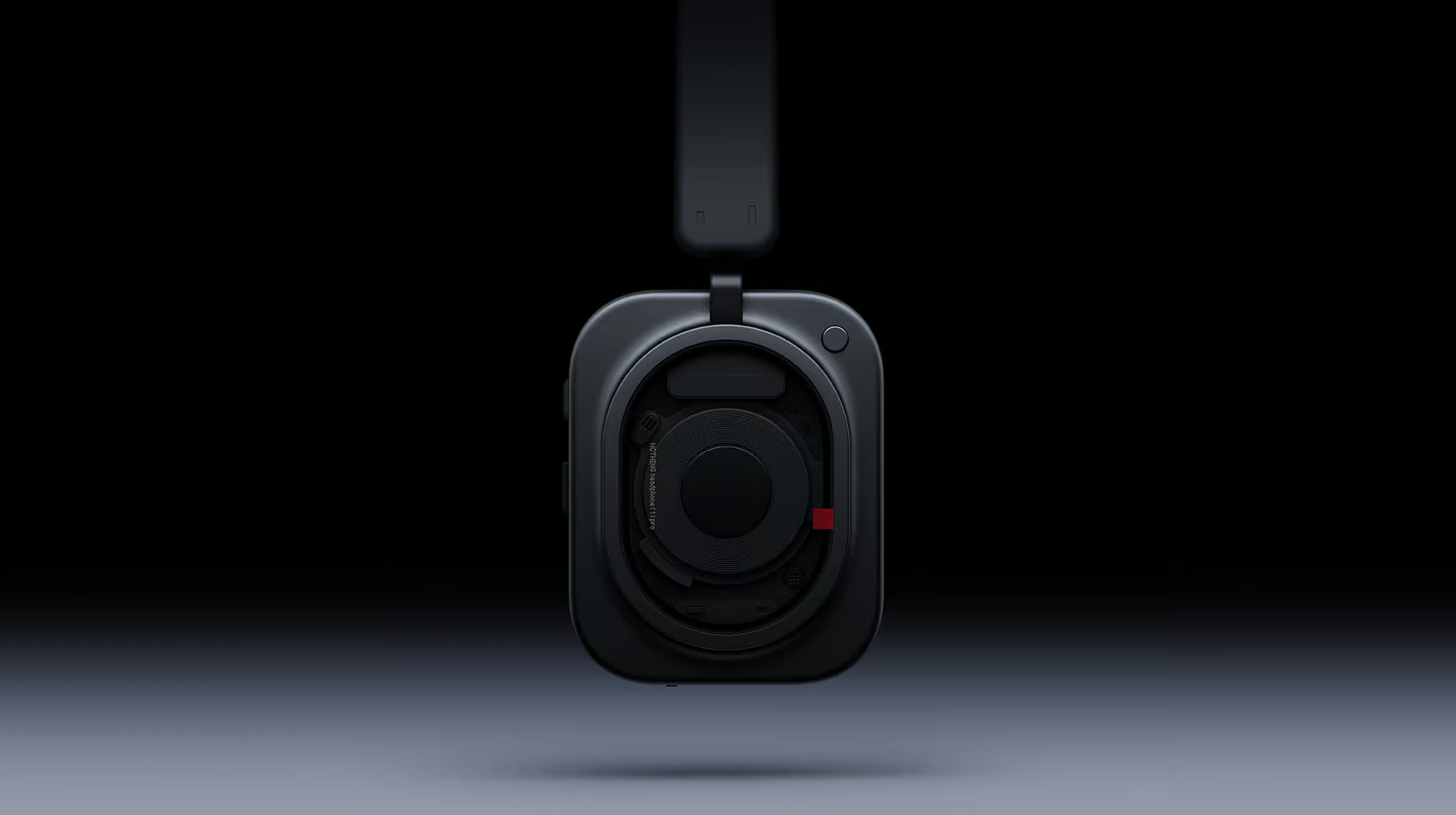
Nothing has unveiled Headphone (1) Pro, a new over-ear model that keeps the company’s transparent industrial look while making a much bigger change inside. Instead of relying on a single full-range driver in each earcup, the Pro uses three drivers dedicated to different parts of the frequency range.
Three drivers replace the usual single-driver layout
The headline upgrade is a three-driver architecture made up of a 40 mm dynamic bass driver, a separate 13 × 8 mm precision dynamic driver for the midrange, and an xMEMS solid-state treble driver. Nothing says the split lets each component concentrate on a narrower frequency range, with the aim of delivering deeper bass, clearer vocals and more distinct high-frequency detail.
That is still a manufacturer claim rather than an independent TechCravers test. The published frequency response is 20 Hz to 40 kHz, and the headphones support Hi-Res playback wirelessly as well as lossless playback over USB-C at up to 24-bit/192 kHz.
Flat EQ, spatial audio and stronger ANC
Nothing has also worked with Metropolis Studios on the tuning. A new physical switch can jump to a Flat EQ profile, while the Nothing X app provides more detailed equalisation controls and a Personal Sound feature. Dynamic Spatial Audio with head tracking is included, alongside a Studio B mode intended to reproduce the acoustic character of a mixing room.
Active noise cancellation has been revised too. Headphone (1) Pro uses ten microphones in total, with five microphones on each side contributing to the hybrid ANC system. Nothing rates the adaptive cancellation at up to 46 dB and says the system has been designed to deal more accurately with changing surroundings and wind.
Familiar design, revised materials
The exterior remains recognisably Nothing, but the materials and fit have changed. The earcups use machined aluminium and scratch-resistant 9H Panda Glass, while titanium-alloy arms reduce weight in part of the frame. At 327 g overall, however, these are still substantial over-ear headphones. Nothing says the headband is 10% wider, its padding 12% thicker and the dual-layer ear cushions 50% softer than on Headphone (1).
- Drivers
- 40 mm bass dynamic + 13 × 8 mm precision dynamic + xMEMS treble
- Frequency response
- 20 Hz–40 kHz
- ANC
- Adaptive, up to 46 dB; 10 microphones total
- Bluetooth
- 6.1; AAC, SBC, LDAC; LC3 for broadcast audio
- Battery
- Up to 68 hours AAC with ANC off; up to 30 hours with ANC on
- Weight
- 327 g
- Protection
- IP52
Battery life, connections and price
Battery life is rated at up to 68 hours with ANC disabled when using AAC, or up to 30 hours with ANC enabled. LDAC reduces those figures to up to 53 and 28 hours respectively. A five-minute charge is claimed to provide up to four hours of playback with ANC off. Connectivity includes Bluetooth 6.1, dual-device connections, Google Fast Pair, Microsoft Swift Pair and Apple MFi support, plus wired listening over USB-C or the included 3.5 mm cable.
Nothing lists Headphone (1) Pro at €349 on its European store and $399 in the US. Swedish publication Missil reports a local price of 3,990 kronor and says the headphones are available now; TechCravers has not independently verified that Swedish price against a Nothing Sweden storefront.
On paper, Headphone (1) Pro is less a cosmetic refresh than the familiar shell suggests. The three-driver layout, expanded tuning controls and revised ANC are meaningful architectural changes, but claims about sound quality, comfort and real-world noise cancellation will need independent testing before they can be treated as performance conclusions.