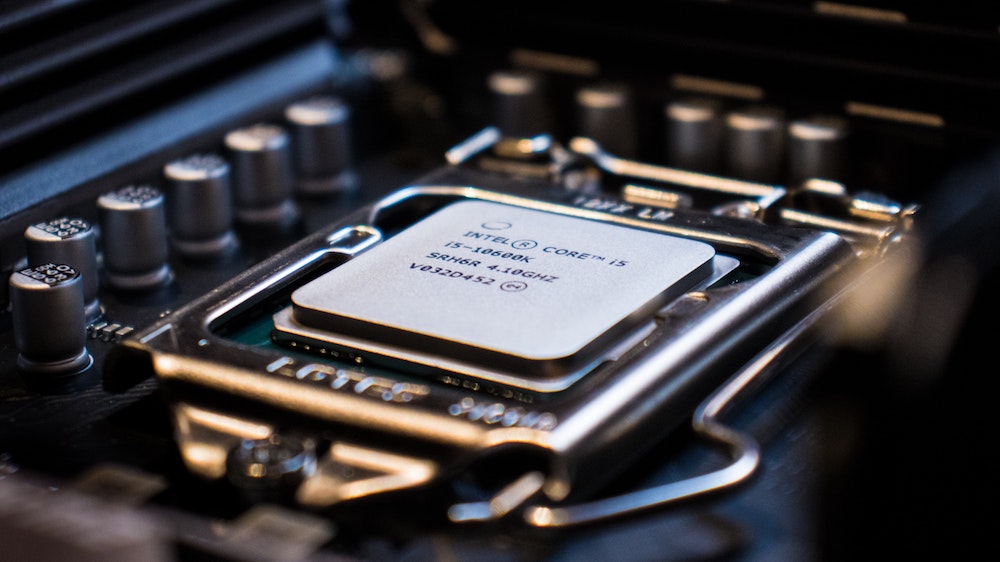
Global CPU Sales Plummet by 47% Amid Market Slowdown
The processor market is facing a sharp downturn, with new data revealing a dramatic 47% drop in CPU sales. The decline highlights a cooling demand across both consumer and enterprise segments, signaling a significant shift after years of strong growth driven by remote work and pandemic-era upgrades.
One of the main factors behind the slump is market saturation. During the past few years, many consumers and businesses upgraded their systems, reducing the immediate need for new hardware. As a result, demand for fresh CPUs has slowed considerably, especially in the desktop and laptop segments.
Economic uncertainty is also playing a major role. With tighter budgets and cautious spending habits, both individuals and organizations are delaying large tech investments. This has hit chipmakers hard, as processors are often at the core of broader system upgrades.
Another contributing factor is the extended lifespan of modern hardware. Today’s CPUs are more powerful and efficient than ever, allowing users to hold onto their devices longer without feeling the need to upgrade. This shift is reshaping the traditional upgrade cycle that the industry has relied on for years.
Major players in the semiconductor space are now adjusting their strategies to cope with the downturn. This includes scaling back production, focusing on emerging technologies like AI-focused chips, and exploring new markets to offset declining PC-related revenue.
While the current numbers paint a challenging picture, industry analysts believe the slump may be temporary. Future demand could rebound as new technologies and use cases emerge, but for now, the CPU market is clearly in a period of correction.