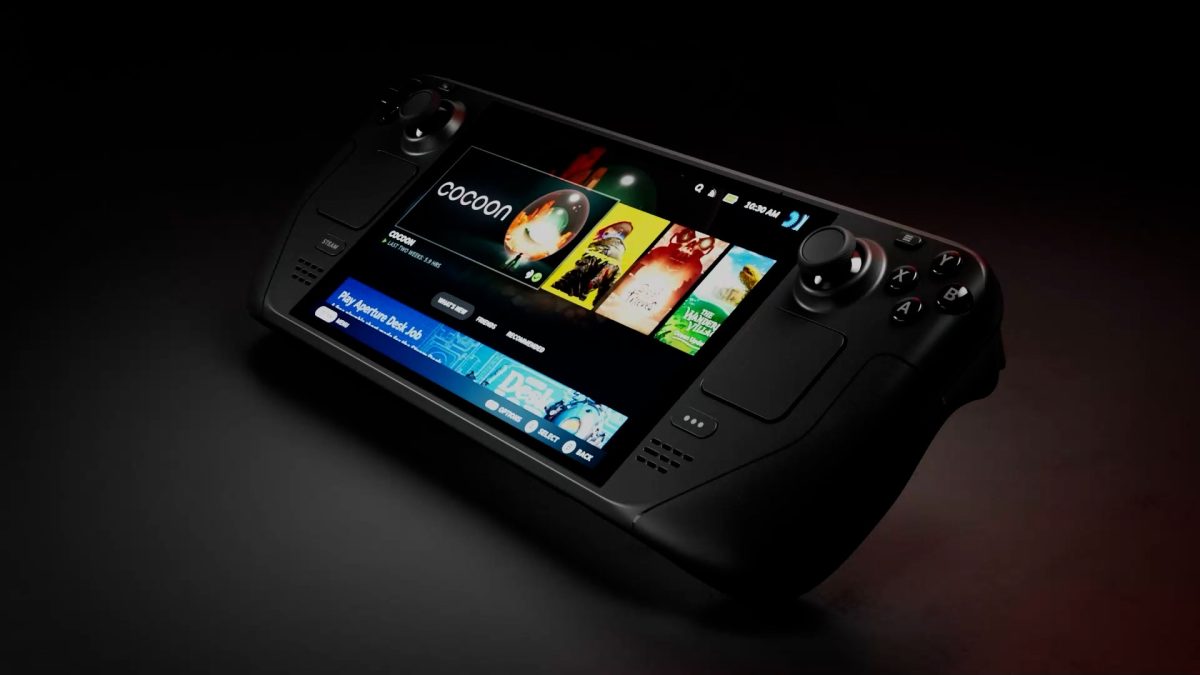
Steam Deck OLED Hit by Delivery Delays as Global Memory Shortage Impacts Valve
Valve’s upgraded Steam Deck OLED is facing fresh delivery challenges, as the ongoing global memory shortage continues to disrupt hardware production worldwide. The issue is now affecting shipment timelines for the popular handheld gaming PC, leaving some customers waiting longer than expected to get their hands on the device.
According to reports, supply constraints tied to memory components are creating bottlenecks in Valve’s production pipeline. The Steam Deck OLED, which relies on advanced memory modules to deliver improved performance and efficiency over the original LCD model, appears particularly vulnerable to these shortages. As demand for high-performance memory remains strong across industries — including AI, data centers, and consumer electronics — gaming hardware manufacturers are feeling the squeeze.
The Steam Deck OLED has been widely praised for its vibrant display, improved battery life, and refined thermals. Since launch, it has strengthened Valve’s position in the handheld PC market, competing directly with devices like the ASUS ROG Ally and Lenovo Legion Go. However, component shortages threaten to slow its momentum at a time when competition in the segment is intensifying.
Global memory supply issues are not new, but the current situation reflects a complex mix of high demand and constrained production capacity. Memory manufacturers have been balancing output amid fluctuating market conditions, and priority often shifts toward enterprise and AI-related clients where margins are higher. This can leave consumer hardware — including gaming devices — further down the supply chain.
For gamers eager to upgrade to the OLED model, the delays may vary depending on region and configuration. While Valve has not indicated a long-term production halt, customers are advised to keep an eye on estimated shipping times through official storefronts.
Despite the temporary setback, the broader outlook for handheld PC gaming remains strong. The Steam Deck OLED continues to be one of the most compelling portable gaming systems available, blending PC flexibility with console-like convenience. Once supply stabilizes, demand is likely to remain high — especially as more developers optimize their titles for handheld performance.
For now, patience may be required. The memory market’s ripple effects are being felt across tech, and the Steam Deck OLED is simply the latest high-profile device caught in the crossfire.