Diablo IV: Lord of Hatred DLC Review – A Dark Expansion That Doesn’t Fully Escape Its Own Shadows
Blizzard’s Diablo IV: Lord of Hatred arrives as a substantial expansion aimed at reinvigorating the game’s endgame and narrative, and for the most part, it succeeds. This DLC leans heavily into what already works—tight combat, grim worldbuilding, and addictive progression—while layering in new systems and content that give veterans a reason to return. But while it’s undeniably a strong addition, it doesn’t fully escape some of the structural issues that have followed Diablo IV since launch.
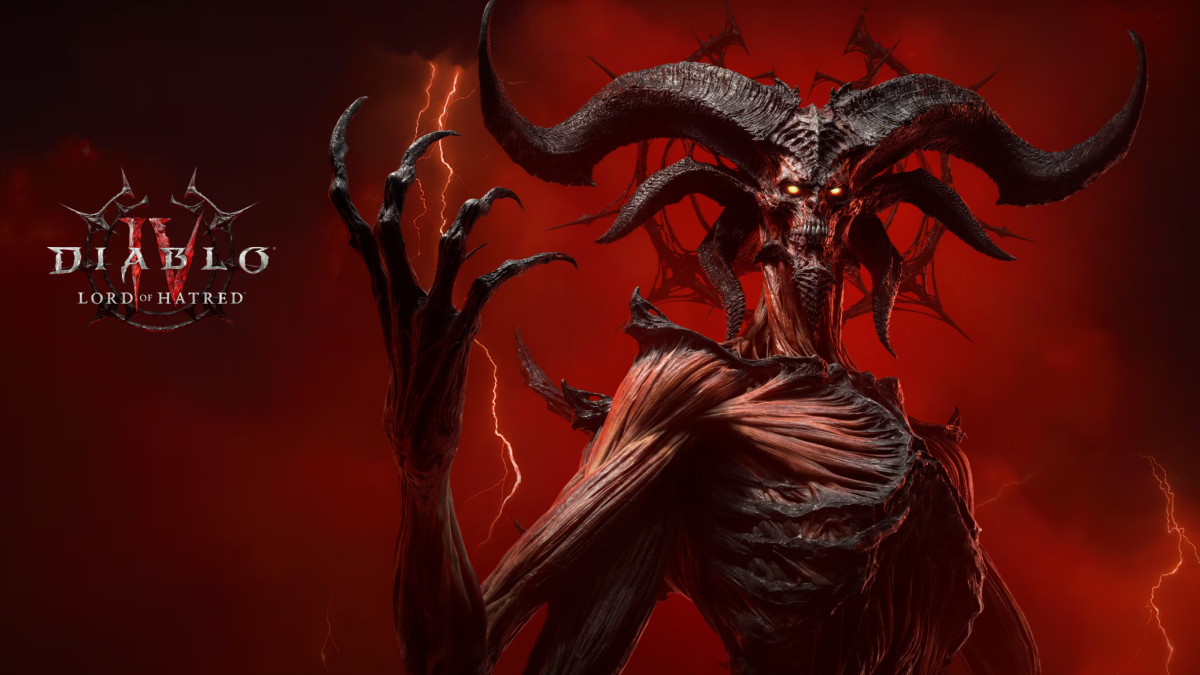
The biggest highlight here is the new campaign arc centered around Mephisto. Blizzard pushes deeper into the Prime Evil’s influence, delivering a story that feels more focused and tonally cohesive than earlier parts of the base game. The writing leans into psychological dread and manipulation rather than just large-scale destruction, which helps the narrative stand out. Cutscenes are as polished as ever, and the pacing is noticeably tighter, making the campaign feel less like a detour and more like a meaningful continuation.
Accompanying the story is a brand-new region that easily ranks among the most atmospheric areas in Diablo IV. The environments are dense, oppressive, and filled with detail, reinforcing the sense that Sanctuary is steadily slipping further into chaos. Exploration feels rewarding thanks to new events, hidden encounters, and dynamic world activities that break up the usual dungeon grind. It’s clear Blizzard put effort into making this region feel distinct rather than just an extension of existing biomes.
On the gameplay front, Lord of Hatred introduces new systems that aim to expand build variety and endgame depth. Players gain access to additional gear types, fresh modifiers, and new progression paths that encourage experimentation. There’s also a stronger emphasis on evolving your character beyond traditional loot chasing, with mechanics that reward adapting your playstyle instead of sticking to a single meta build.
Endgame content sees a welcome boost as well. New activities and challenges offer more variety, giving players alternatives to endlessly repeating the same dungeon loops. Some of these additions feel like direct responses to community feedback, particularly when it comes to pacing and reward structure. The grind is still very much present—but it’s more engaging than before, with a better sense of purpose behind each run.
That said, not all of these improvements go far enough. While build diversity has technically expanded, balance issues still linger. Certain classes and playstyles continue to outperform others, making the “freedom” of choice feel somewhat limited in practice. For a game that thrives on experimentation, this remains a noticeable drawback.
Another sticking point is how iterative much of the content feels. While the new systems are enjoyable, they rarely feel transformative. If you were hoping for a major overhaul of Diablo IV’s core loop, this isn’t it. Instead, Lord of Hatred refines and extends what’s already there—sometimes to great effect, but occasionally in ways that feel overly familiar.
Technical performance is mostly stable, with solid optimization across platforms. However, minor bugs, UI inconsistencies, and occasional pacing issues still pop up. These aren’t severe enough to derail the experience, but they serve as reminders that the game’s live-service foundation is still evolving.
Despite its shortcomings, Lord of Hatred is an undeniably compelling expansion. It deepens the world, improves the endgame, and delivers a darker, more engaging narrative—all while staying true to the identity of Diablo IV. It may not be the bold reinvention some players were hoping for, but it’s a meaningful step forward that strengthens the overall experience.
For returning players, this DLC is easy to recommend. For those on the fence, it shows progress—but also highlights that Blizzard still has work to do before Diablo IV reaches its full potential.
Score: 8/10